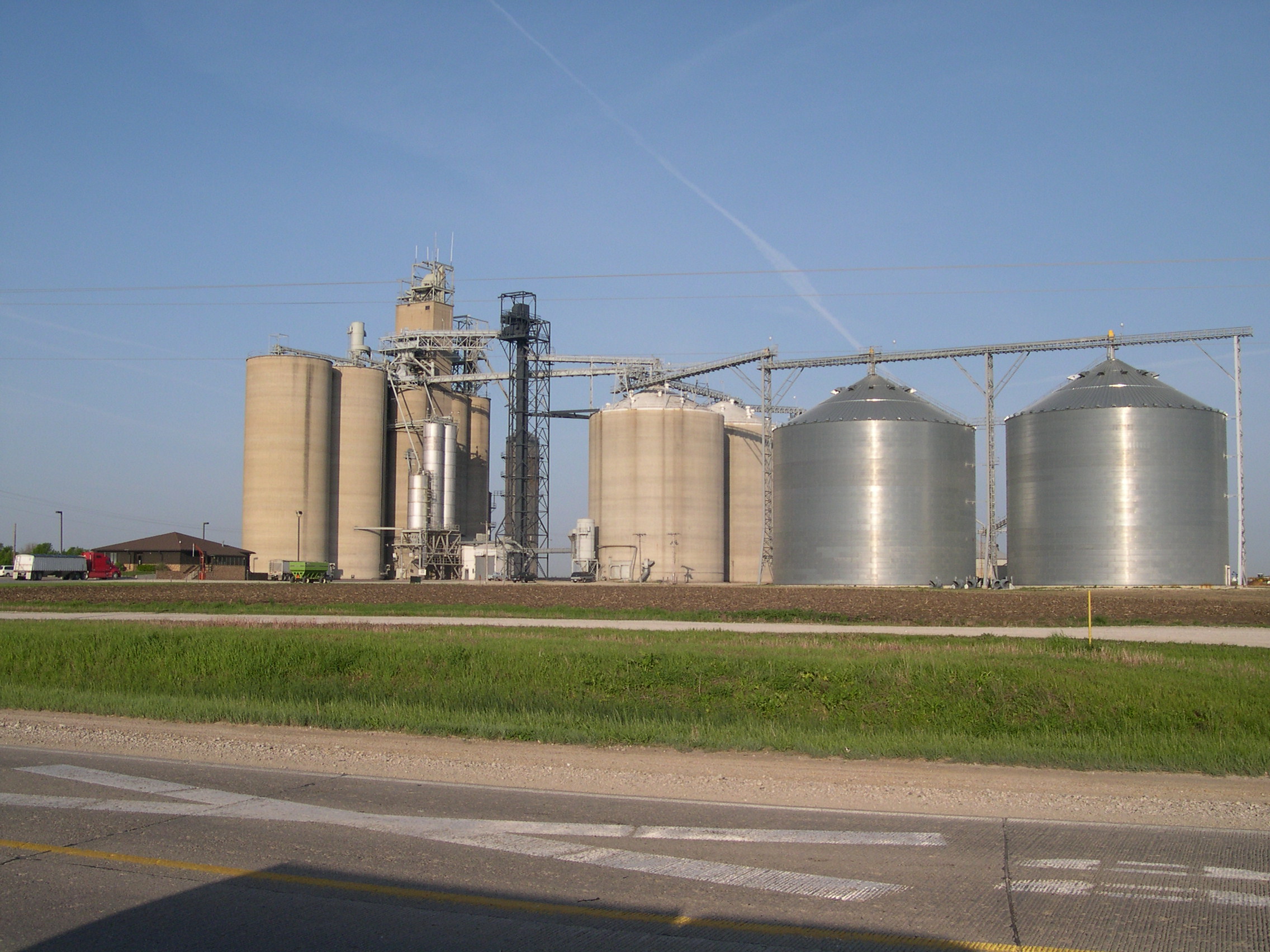
The Grain Depositors and Sellers Indemnity Fund
The Grain Indemnity Fund was created by the Iowa Legislature in 1986 as a result of the Farm Crisis and exists to protect farmers from financial losses that are the result of an Iowa licensed grain warehouse or grain dealer failure. The Fund is financed by a per bushel assessment on purchased grain and fees paid by licensed grain dealers and grain warehouses. In accordance with Iowa law, these fees have not been collected since 1989.
The Fund serves as a low-cost insurance policy for Iowa farmers. On an initial investment of $9 million from farmers, in addition to interest income and the recovery of losses from defunct dealers and warehouses, more than $19 million in claims have been approved for payout to Iowa farmers over the last three decades.
Recently, the balance of the Fund has fallen below $3 million which automatically reinstates the assessment and fees in accordance with Iowa law. The per bushel assessment began on September 1, 2023 and ended on August 31, 2025.
How much does it cost?
A ¼ cent per bushel fee was assessed on all cash grain transactions beginning September 1, 2023 and ending August 31, 2025.
The fee is paid by the grain dealer, however, they may pass the cost of the fee on to the seller of grain and are required to itemize the deduction on the seller’s settlement sheet.
Based on today’s average corn yields, a farmer can expect to pay approximately 50 cents per acre of corn, which protects approximately $1,200 in grain marketed.
How much coverage do I get?
For ordinary cash sales, the Fund may indemnify a loss up to 90 percent to a maximum amount of $400,000.
However, credit-sale contracts, including deferred-payment contract and deferred-price contracts, are not protected to the same levels as ordinary cash sales.
• Deferred-pricing contracts are offered reduced coverage of 75 percent indemnification of a loss by the Fund.
• Deferred-payment contracts do not have any loss indemnification by the Fund.
Examples of deferred pricing contracts include but are not limited to:
• Price Later
• No Price Established
• Basis
• Extended Price
• Minimum Price
Title to the grain must have been transferred to the licensed grain dealer within six months of the incurrence date (see below).
Exceptions on sold grain
Indemnification is limited to those persons who qualify as a “seller”. A “seller” does not include another grain dealer. A “seller” also does not include a producer who sells grain through a deferred-payment contract. Coverage on grain sold to a grain dealer is limited to sales that took place within six months of the incurrence date (see below).
No coverage on contracts for future delivery
There is no coverage for price differentials between current market price and contracts for future delivery of grain. Receivership and indemnity coverage is provided only for delivered grain.
Stored grain
For deposits of grain to a licensed warehouse operator, the Fund may indemnify a loss up to 90 percent to a maximum amount of $400,000. For stored grain there is no distinction made between grain on warehouse receipts and grain in “open storage” or “unsettled”. Grain that is priced at the time of delivery is not stored; it is considered sold grain, and the coverage is provided as identified above.
Exception on stored grain
No coverage is provided to grain stored in a warehouse licensed by USDA. These warehouse operators are bonded as required by the terms of their federal warehouse operator licenses. Contact USDA at 816-926-6474 for information on federal licenses.
Incurrence date
A claim to the Fund may not be made prior to an incurrence date. An incurrence date is either (1) the revocation, termination or cancellation of a warehouse operator or grain dealer license issued by IDALS or (2) the filing of a bankruptcy petition by the license holder.
Claims Period
A person making a claim under the Fund must file the claims within 120 days after the incurrence date.